Lorem Ipsum All Caps: The Standard Passage in Uppercase with Word and Character Counts
See the full lorem ipsum text in uppercase, with exact word and character counts, plus when and why all caps is used in design.
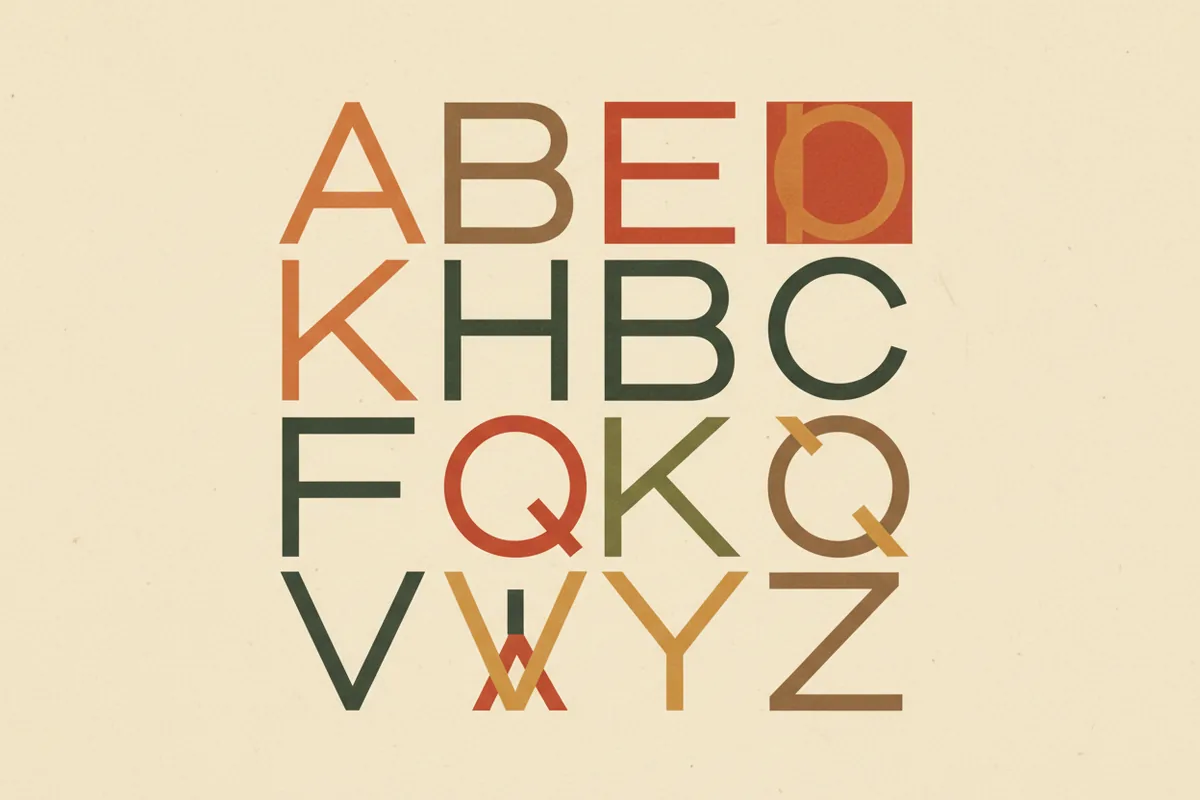
The standard Lorem ipsum passage rendered in all caps contains 69 words and approximately 445 characters including spaces. Designers copy this uppercase version for mockups, headings, and typography specimens because it provides a bold, emphatic visual without the distraction of lowercase ascenders and descenders. Below is the exact text, its counts, and what you should know about using all caps in design.
The Standard Lorem Ipsum Passage in All Caps
The all-caps version of the Lorem ipsum passage as it appears in design tools and generators is:
LOREM IPSUM DOLOR SIT AMET, CONSECTETUR ADIPISCING ELIT, SED DO EIUSMOD TEMPOR INCIDIDUNT UT LABORE ET DOLORE MAGNA ALIQUA. UT ENIM AD MINIM VENIAM, QUIS NOSTRUD EXERCITATION ULLAMCO LABORIS NISI UT ALIQUIP EX EA COMMODO CONSEQUAT. DUIS AUTE IRURE DOLOR IN REPREHENDERIT IN VOLUPTATE VELIT ESSE CILLUM DOLORE EU FUGIAT NULLA PARIATUR. EXCEPTEUR SINT OCCAECAT CUPIDATAT NON PROIDENT, SUNT IN CULPA QUI OFFICIA DESERUNT MOLLIT ANIM ID EST LABORUM.
This text is derived from sections 1.10.32 and 1.10.33 of Cicero’s De finibus bonorum et malorum (45 BC) - see Lorem ipsum - Wikipedia. The Lorem ipsum text is a corrupted version of the original Latin, first used as a placeholder by an unknown typesetter in the 1500s. The name “Lorem ipsum” itself is a truncation of ‘dolorem ipsum’ meaning “pain itself,” as documented on the same Wikipedia page.
Word and Character Counts
| Metric | Value |
|---|---|
| Total words | 69 |
| Characters (with spaces) | ~445 |
The standard passage contains 69 words and approximately 445 characters including spaces, as verified by Lorem ipsum - Wikipedia.
Uses of All Caps in Design Mockups
Designers turn to all caps Lorem ipsum for several reasons:
- Heading and title mockups: All caps draws attention and creates a uniform block of text without descenders.
- Typography specimens: Foundries test typefaces in all caps to evaluate weight and spacing.
- Readability tests: Researchers use all caps to study letter recognition and reading speed.
- Legal document placeholders: All caps mimics the emphasis required in contracts, a practice that dates to typewriter limitations (All caps - Wikipedia).
Readability and Legibility Considerations
Despite its visual impact, all caps is harder to read for continuous text. Miles Tinker’s 1955 study found that all-caps text retarded reading speed by 9.5% to 19% compared to lower case (All caps - Wikipedia). Colin Wheildon’s study with 224 readers concluded that “headlines set in capital letters are significantly less legible than those set in lower case” (same source).
Because of this, all caps is best reserved for short phrases, headings, or logos - never for body copy. In digital communication, all caps is often called ‘screaming’ or ‘shouting’ and is avoided for long passages.
Historical Context of All Caps in Typography
The Lorem ipsum text was first used as a placeholder by an unknown typesetter in the 1500s for a type specimen book. The modern version was popularized by Letraset transfer sheets published in 1966, supplied by librarian James Mosley as an alternative to earlier texts (Lorem ipsum - Wikipedia). Richard McClintock traced Lorem ipsum back to Cicero before 1982.
All caps as a design trend has seen criticism: Microsoft’s Metro design language famously used all caps headings, which one commentator called “LITERALLY TERRIBLE” (All caps - Wikipedia). Professional typography finds that small caps are often preferred over all caps for refined emphasis.
Generators and Customization
Because the Lorem ipsum text mimics natural language letter frequency and word length - average word length is about 5.4 characters - the uppercase version is useful for designing with a consistent visual weight. You can generate all caps Lorem ipsum at any length, making it flexible for testing large headlines or section dividers.
Alternatives to All Caps Lorem Ipsum
If all caps feels too aggressive or illegible, consider:
- Small caps version (mixing capitals with smaller capitals)
- Lowercase Lorem ipsum for body copy mockups
For the original meaning of each word in the passage, read our word-by-word breakdown. For a deeper dive into the 500-year history of this placeholder, see our history article.
Frequently asked questions
What is the lorem ipsum all caps text?
It is the standard 69-word Lorem ipsum passage written entirely in uppercase letters. Designers use it for headings, typography samples, and readability tests because it creates a uniform block of text without lowercase ascenders or descenders.
How many words are in the lorem ipsum all caps passage?
The passage contains exactly 69 words, the same as the lowercase version. Including spaces, it has approximately 445 characters; excluding spaces, around 370 characters. The average word length increases slightly due to caps.
Why do designers use all caps lorem ipsum?
Designers use all caps for mockups of headings, buttons, and typography specimens to achieve a bold, emphatic look. It also helps evaluate font weight and spacing without the visual noise of lowercase strokes.
Is all caps text harder to read than lowercase?
Yes. Research by Miles Tinker (1955) found all caps slows reading by 9.5% to 19%. Colin Wheildon's study with 224 readers showed headlines in all caps are significantly less legible. For continuous text, lowercase is preferred.
Can I generate all caps lorem ipsum online?
Yes. Most online lorem ipsum generators include an 'uppercase' option. You can set the desired length and copy the result directly into your design file.
Is lorem ipsum real Latin?
No. Although derived from Cicero's De finibus, the standard Lorem ipsum is a corrupted, scrambled version that makes no sense in Latin. The name 'Lorem ipsum' is a truncation of 'dolorem ipsum', meaning 'pain itself'.
What is the origin of the all caps version?
The all caps version is simply a formatting variant of the standard Lorem ipsum. The text itself dates to the 1500s when an unknown typesetter created it for a type specimen book. Letraset popularized the modern version in 1966.